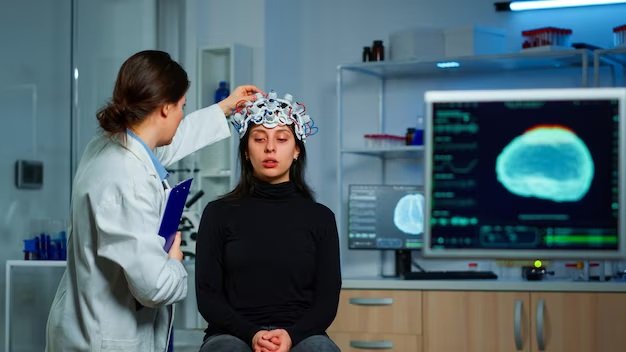
Back and neck pain are among the most common health issues worldwide, affecting people of all ages and lifestyles. While many cases improve with rest or basic care, persistent or severe spine-related pain often requires deeper evaluation. This is where modern medical testing plays a crucial role in achieving accurate diagnosis and effective treatment planning.
Advancements in diagnostic technology have significantly improved how spine conditions are identified and managed. Today, specialists can detect issues earlier, understand them more precisely, and create targeted treatment plans that lead to better patient outcomes.
The Role of Modern Medical Testing in Spine Care
Modern medical testing refers to advanced diagnostic methods used to evaluate the spine, nerves, muscles, and surrounding tissues. These tests help doctors understand the exact cause of pain instead of relying only on symptoms.
Conditions such as herniated discs, spinal stenosis, nerve compression, or degenerative spine disorders often present similar symptoms. Without proper testing, it can be difficult to identify the root cause accurately. Advanced diagnostic tools help eliminate guesswork and provide a clear picture of what is happening inside the body.
Key Benefits of Advanced Diagnostic Testing
One of the biggest advantages of modern medical testing is accuracy. Instead of general assumptions, specialists can pinpoint the exact location and severity of the problem. This leads to more effective and personalized treatment plans.
Another major benefit is early detection. Many spine conditions worsen over time if left untreated. Advanced testing allows doctors to identify problems in their early stages, preventing complications and long-term damage.
Modern testing also improves treatment precision. Whether a patient needs physical therapy, medication, injections, or minimally invasive procedures, accurate diagnostic results ensure the right treatment is chosen from the beginning.
In addition, these tests help reduce unnecessary surgeries. By clearly understanding the condition, specialists can often recommend non-surgical or minimally invasive solutions instead of major operations.
Common Types of Modern Spine Diagnostic Tools
Today’s spine specialists rely on several advanced diagnostic methods to evaluate patient conditions, including:
- MRI (Magnetic Resonance Imaging) for detailed images of soft tissues, discs, and nerves
- CT Scans (Computed Tomography) for precise bone structure analysis
- X-ray evaluations to assess alignment and structural changes
- Nerve conduction studies to evaluate nerve function and detect compression
- Electromyography (EMG), which assesses the electrical activity of muscles and nerves
Each of these tools provides unique insights that help specialists build a complete understanding of the patient’s condition.
How Accurate Diagnosis Improves Treatment Outcomes
A correct diagnosis is the key starting point for proper spine treatment. Once the exact cause of pain is identified, treatment becomes more focused and efficient.
For example, a patient with nerve compression may benefit from targeted injections, while someone with structural disc damage may require minimally invasive procedures. Without proper testing, these differences could be missed, leading to ineffective treatment or prolonged discomfort.
Modern diagnostic tools also help specialists monitor recovery progress. This ensures that treatment plans can be adjusted if needed, improving long-term results and reducing the chances of recurring pain.
Patient Experience and Confidence
Another important advantage of modern medical testing is improved patient confidence. When patients clearly understand their condition through detailed diagnostic results, they feel more informed and involved in their treatment journey.
This transparency also helps build trust between patients and specialists, leading to better communication and treatment adherence.
Final Thoughts
Modern medical testing has transformed spine care by making diagnosis more accurate, treatments more effective, and recovery outcomes significantly better. With advanced diagnostic tools, specialists can identify the exact source of pain and develop personalized treatment strategies that address the root cause rather than just the symptoms.
If you are experiencing ongoing back or neck pain, early evaluation through modern diagnostic methods can make a major difference in your recovery journey.